Every June, the Florabundance cooler seems to transform overnight. One week we're enjoying the final…
Floral Tariffs and What They Mean for Florists
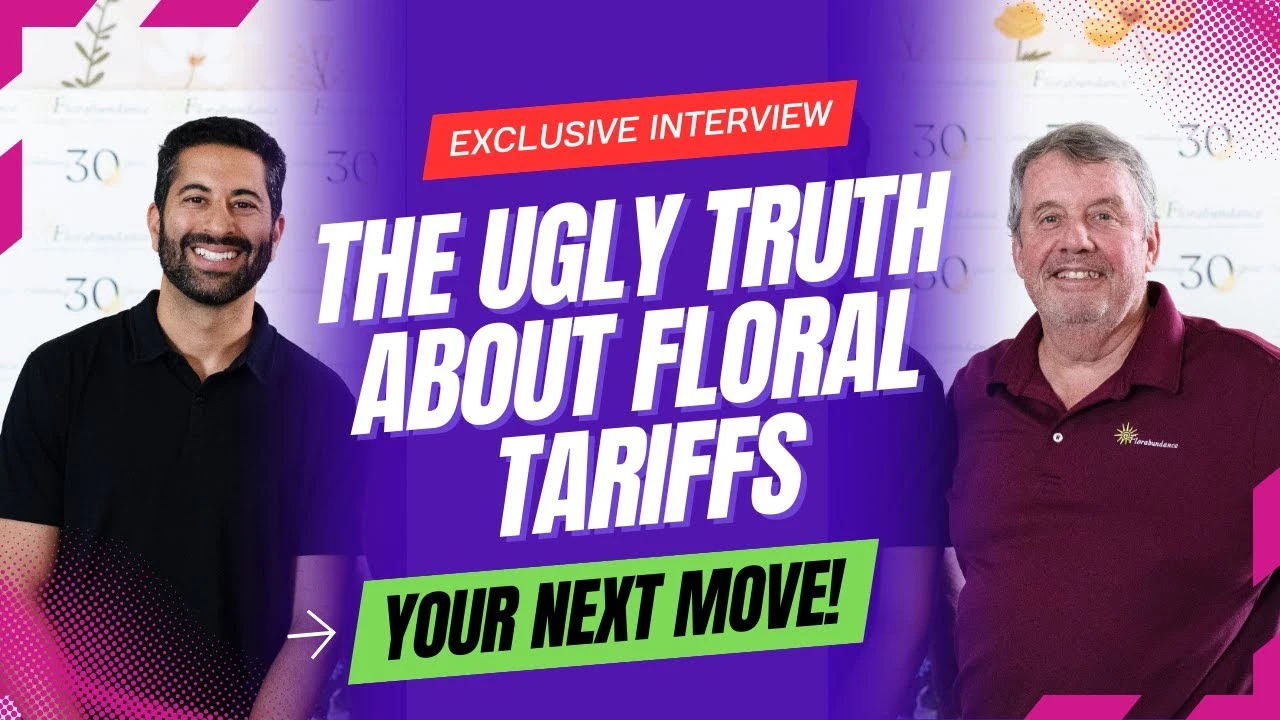
Exclusive Interview BloomNation & Florabundance
Floral tariffs are here and they’re reshaping the industry in ways we haven’t seen since the supply chain disruptions of COVID. With South American flower tariffs jumping from 0% to 30% and then settling at 10%, florists across the country are grappling with unprecedented pricing challenges and uncertainty about what’s coming next.
In this exclusive conversation, BloomNation sits down with Joost Bongaerts, CEO of Florabundance, a 30-year veteran of the wholesale flower industry, to discuss the real impact of tariffs on florists and what you need to know to protect your business. As someone who’s weathered three decades of industry changes and built a reputation for sourcing “cool stuff” and unique flowers, Joost brings invaluable perspective on navigating these turbulent times.
We dive deep into the practical realities florists are facing: How growers are absorbing some tariff costs, why October wedding season could be particularly challenging, and the critical importance of doing your business homework when it comes to pricing. Joost shares candid insights about the need for creative design solutions, the advantage of domestic flower production during peak season, and why flexibility with clients has become more important than ever.
From managing client expectations and contract negotiations to sourcing strategies for fall and winter seasons, this conversation covers the tactical steps every florist needs to take right now. You’ll learn why trusting your wholesaler relationships is crucial, how to use historical pricing data to your advantage, and the mindset shifts that can turn pricing challenges into opportunities for showcasing your artistry and expertise.
Whether you’re planning weddings months in advance or managing day-to-day operations, this interview provides the roadmap for thriving in an industry where “nothing is set in stone” but preparation and adaptability can make all the difference.
Transcript
BloomNation: So let’s talk about tariffs. What are your thoughts around what’s been going on with pricing?
Joost: Well, the first round of tariffs came in April, I think, and was a bit of a shocker. South American flowers went to 30%, then down to 10%. The way we have been dealing with it is a lot of the growers have picked up half of the tariffs—it’s up to 10%—so it’s sort of absorbed for now. The big question is what’s going to happen in August if they make a decision on tariffs, as we’re led to believe.
I think it’s not going to be outrageous. I hope it sticks around 10%, not 30%. But people are going to have to be creative with their designs. We have to watch what we purchase. Luckily, we’re having a lot of domestic production, especially now from March to October, so it doesn’t really affect us too much.
Pricing Strategy for Florists
BloomNation: Do you think florists should start increasing their prices?
Joost: Well, florists need to do their business homework. What we do as a wholesaler is look at prices and margins every week. Why? Because we buy some crazy flowers that are out of season, and they may cost 40% more this time of year because people have to have white double tulips in August—which is available if you want to pay the price—or lily of the valley. So we constantly adjust our pricing. We have to, and that’s what florists should do.
For an arrangement, when they quote a price, when they do their work, look at what it costs and make sure you get compensated for your artistry, your artwork.
BloomNation: And most of that is from florists standing firm for a wedding or event on that specific flower that might be out of season?
Joost: Yeah, but you have a lot of flexibility there because we work with color schemes. I think you’re going to talk to Jenna and Debbie about what’s trendy.
Creative Solutions for Budget Constraints
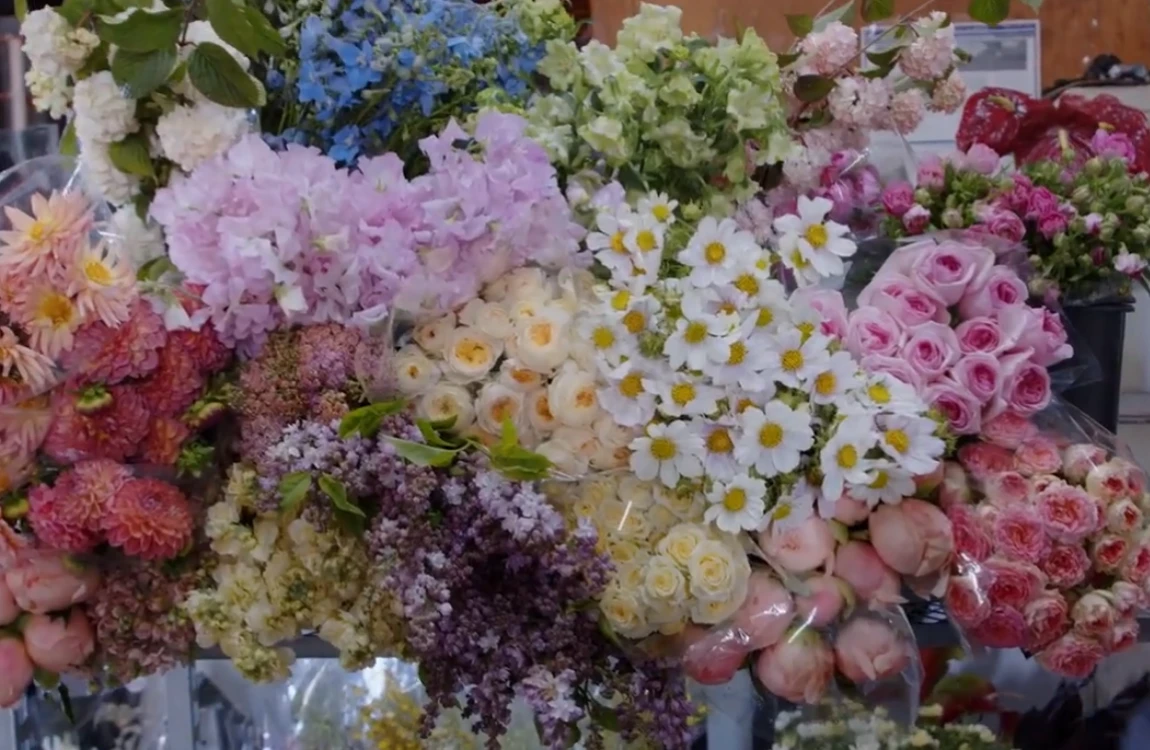
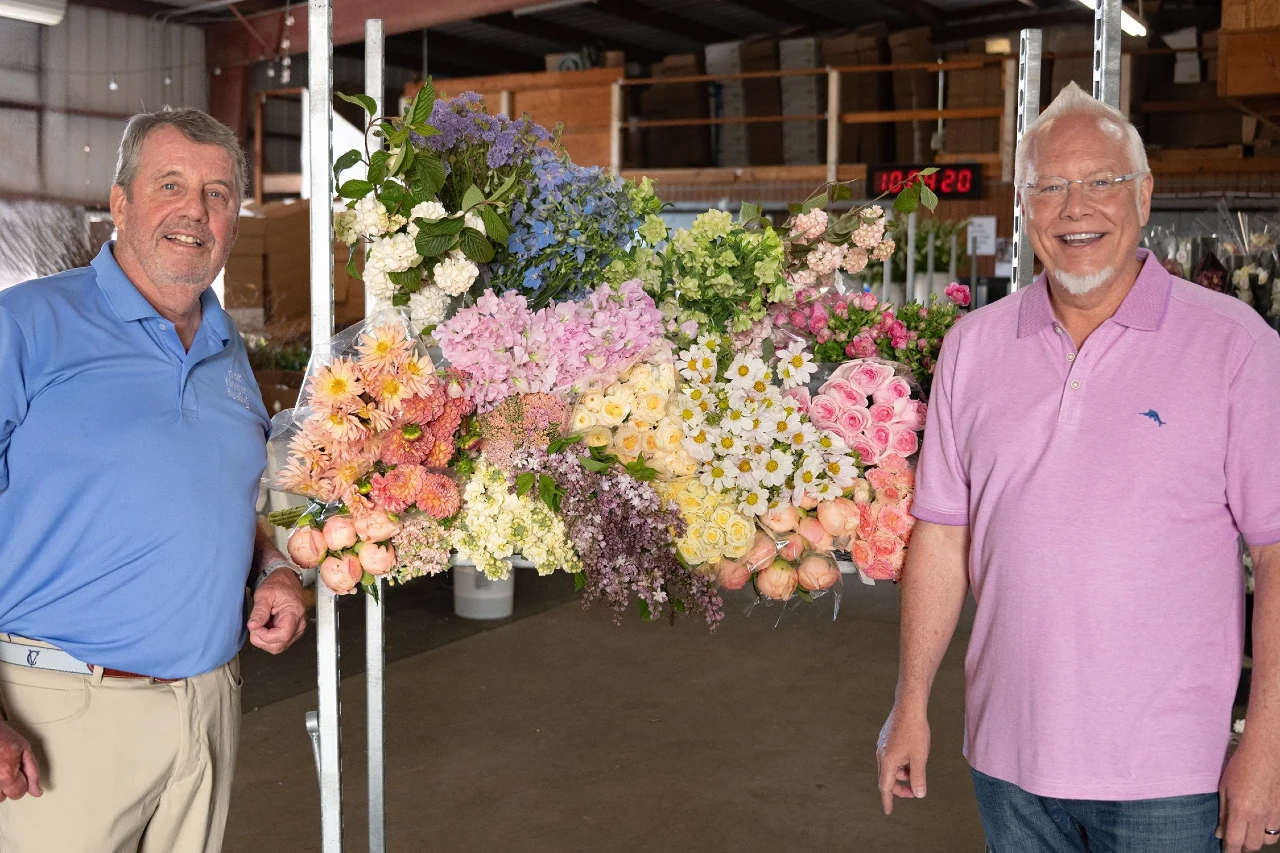
With color schemes, for instance, this arrangement here is beautiful, but to me it’s overloaded with flowers. It’s gorgeous, absolutely stunning. If the budget is a little smaller—there’s no budget here, by the way; this is from our happy hour cart, meaning flowers that haven’t sold or are past their prime—but you can make the same effect with fewer flowers and save some money on that.
You just have to be creative. You go to a restaurant, you order food, and you see the prices of food and steaks and salads—everything is up. So the steak is a little smaller. There you go, fewer mashed potatoes. We can have that with flowers as well. Put a little less in the vase. Be creative, but still give the same artistry and feeling. It has to include flowers because flowers make people happy.
Fall and Winter Season Planning
BloomNation: Speaking of that, how should florists be thinking about sourcing and pricing for the upcoming fall and winter season?
Joost: Well, one big tip is that October is always the second busiest month for weddings and events. The floral industry picks up. Right now, we’re a little bit in a summer doldrums heat dome over the country, but be prepared. Place your orders in advance, especially on flowers that you must have. Be flexible. Be flexible with the work you sell to your client. In other words, have a second choice in case something is not available or it’s priced too high, where you know you have to come up with a solution.
BloomNation: So kind of set the expectations with your clients too, then, so they’re not surprised?
Joost: Yeah, but it’s part of your expertise and sales pitch—holding them by the hand, basically, and guiding them on the path. You know, preparing them for the worst but hoping for the best.
Quality and Business Strategy
But I’m a positive thinker. I think we’ve gone through COVID, where prices went out of sight on everything. Supply chain issues was the word. Now we have maybe something else coming our way. But I think florists need to buy quality flowers. Don’t compromise on quality because then people can go elsewhere to buy it. Stick to your game plan and artistry, but do your homework. Calculate what you need to buy. There’s plenty of software out there. You guys offer services, and maybe talk to your bride or client or event party. Say, “Okay, what’s your budget? This is what we can do within the budget.”
Managing Client Expectations and Pricing
BloomNation: Clients sometimes have unreasonable expectations, and they want to know things upfront. For us, it’s trying to figure out how to handle pricing for a wedding that’s in the wintertime. How do they even manage expectations around pricing to their clients, given tariffs and price changes like you just mentioned?
Joost: Well, we have on our website for florists price lists from previous years and months. So you can look up the last week of October from last year. You have an indication of what it will be, fluctuations that happen. Then, of course, we have no control over crop changes, but generally speaking, you can add a percentage if you know what the general tariffs are.
We have the advantage right now of domestic flowers. Of course, growers here will look at what imported flowers are costing, and if they go up, they could be inclined to raise their prices—their costs are going up. But I think it’s manageable to explain in a contract for an event to say “subject to change.” We have exchange rate changes right now with Holland—the dollar and the euro. When I buy tulips for the winter season, standing orders are subject to change, or adjustments can be made, and that’s usually acceptable to most clients.
BloomNation: I mean, I think now the global conversation around tariffs and things makes people understand that prices are fluctuating, and it’s not easy to predict what’s going to happen in the future.
Joost: Nothing is set in stone. It’s a little unpredictable, but that’s the beauty of it. It’s also stressful for some people—stressful or beautiful. When you buy more flowers, it’s less stressful.
Partnership with Bloom Nation
BloomNation: So Florabundance has been a proud partner of Bloom Nation, and we have you on that partnership program to have access to our community of florists and expand your reach. Can you tell us a little bit more about that? Would you recommend it? What are your thoughts around this?
Joost: Yeah, we are proud to be a partner with Bloom Nation. We wanted to reach your top clients that have weddings and events and are looking for flowers other than what you can get at any wholesaler, because we’re a little bit different. So I highly recommend it for that. But you know, we like to get the customers cultivated to understand what we do differently—it’s trust. Trust your wholesaler, trust your salesperson. They will work for you and let them put together what you need for an event or every day, for that matter.
30 Years of Experience
BloomNation: So Bloom Nation just celebrated its 14th birthday, but I noticed that you guys are celebrating your 30th, so you’re a little bit older.
Joost: Yeah, a little more mature. More mature, wiser, and better. Well, we’ve learned a lot over the past 30 years, and we know that there are a lot of florists and designers out there looking for specialty flowers especially. We go out of our way—when you talk to our buyers and sales manager Debbie Kline—we go out of our way to source things. Cool stuff is what we’re known for, or unique flowers. If you give us advanced notice and you have a flower wish list for a certain time, there’s a good chance we’ll get it for you.
BloomNation: Well, Joost, thank you so much for being part of this interview. We always love working with you and talking to you about industry trends and things. This has been really welcoming, having us to your home.
Joost: Yeah, and you’re right down the road, so come on by more often. Love to see you. Thank you.

Related Posts